
Island news
Ras Malé and Eagle Hills: What the Mega-Project Next Door Means for Gulhi
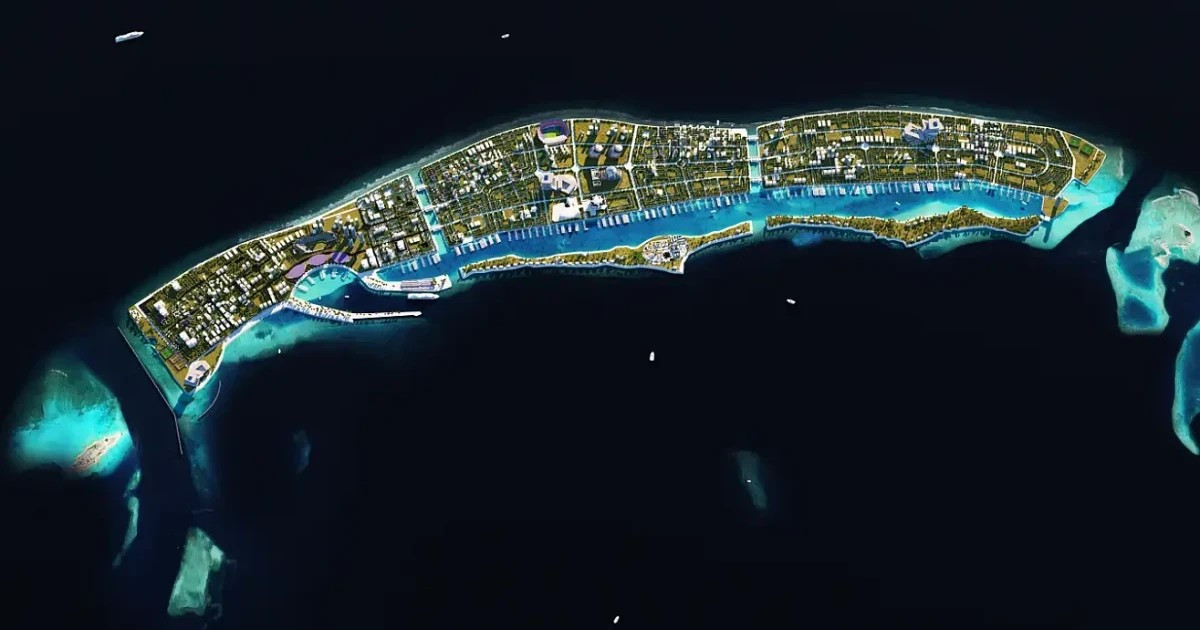
Look out from Gulhi’s shore today and you can see the Maldives changing. In the lagoon next door, a new city called Ras Malé is rising from the sea, and in September 2026 one of the world’s best-known developers signed up to build a waterfront resort city on it.
Here is what is happening, what it could mean for Gulhi, and why many people on our island have mixed feelings about it.
What is Ras Malé?
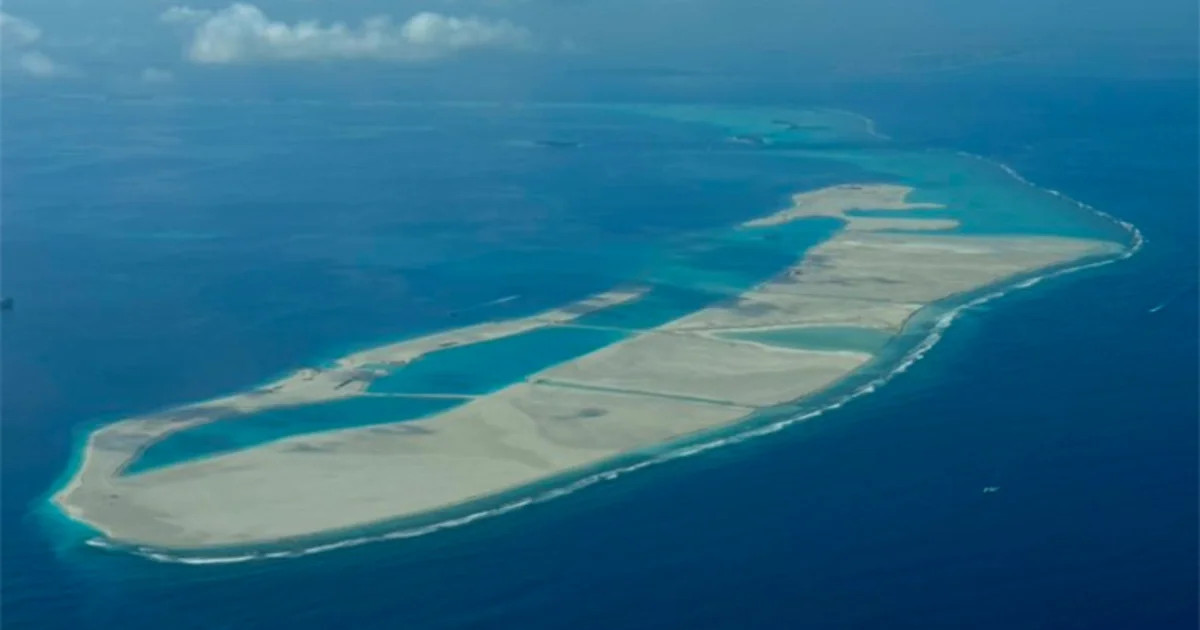
Ras Malé is the government’s flagship land reclamation project in the Fushidhiggaru lagoon (Fushidhiggaru Falhu), about 17 minutes by speedboat from Malé and right beside Gulhi in South Malé Atoll. Dredging began in December 2023.
The plan covers around 1,150 hectares, roughly three times the size of Hulhumalé. The government says it will provide around 65,000 homes to ease overcrowding in the Malé area, along with jobs and businesses. The new land is being raised about 2 to 3 metres above sea level to help protect it from rising seas.
The Eagle Hills waterfront deal
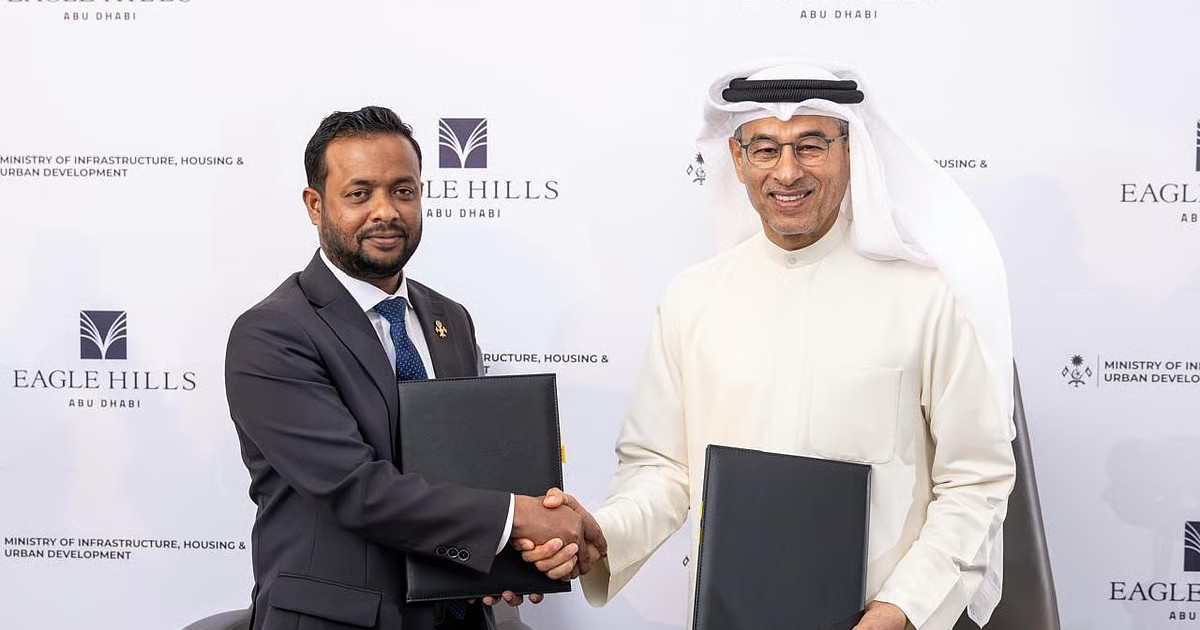
On 21 September 2026, the Maldives government and Eagle Hills, the Abu Dhabi developer founded by Emaar’s Mohamed Alabbar, agreed the commercial terms for the Maldives Waterfront and Marina at Ras Malé. It has been described as the largest foreign investment in Maldivian history, with its value reported at between US$12 billion and US$20 billion over several phases.
The plans include:
- International hotels and resorts
- Premium and branded residences, sold on leases of up to 99 years
- A marina and public waterfront with shops, restaurants and entertainment
- A commitment to fund 5,000 homes for Maldivian families
- A pledge of no further dredging, with independent marine monitoring
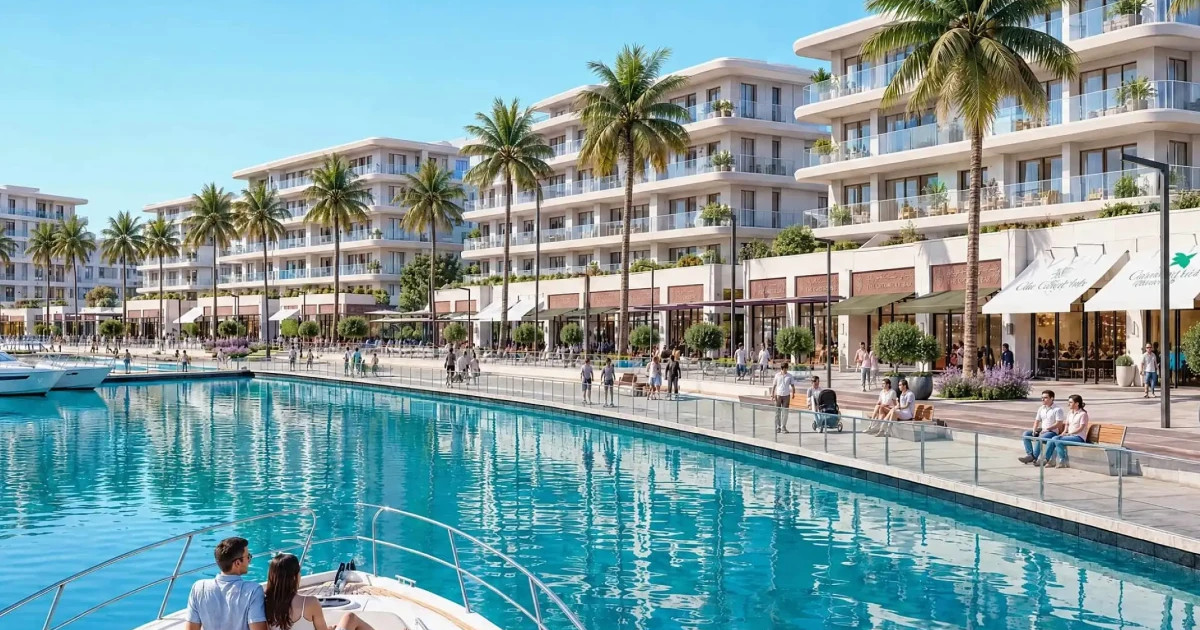
Eagle Hills expects the waterfront to attract more than a million visitors a year when complete, and the project to create tens of thousands of jobs over its lifetime. Detailed terms and building timelines are still being worked out, and full completion could take a decade or more.
A lagoon that was part of Gulhi
There is a part of this story that is rarely told. Part of the Fushidhiggaru lagoon where Ras Malé is being built was within Gulhi Island’s own jurisdiction. For a small island where every plot of land was already taken, that lagoon was part of our future.
To make way for Ras Malé, the lagoon was removed from Gulhi’s jurisdiction and placed under central government control by President Dr Mohamed Muizzu’s government, using the President’s powers under the Decentralisation Act. As far as the community is aware, Gulhi received no compensation for the loss.
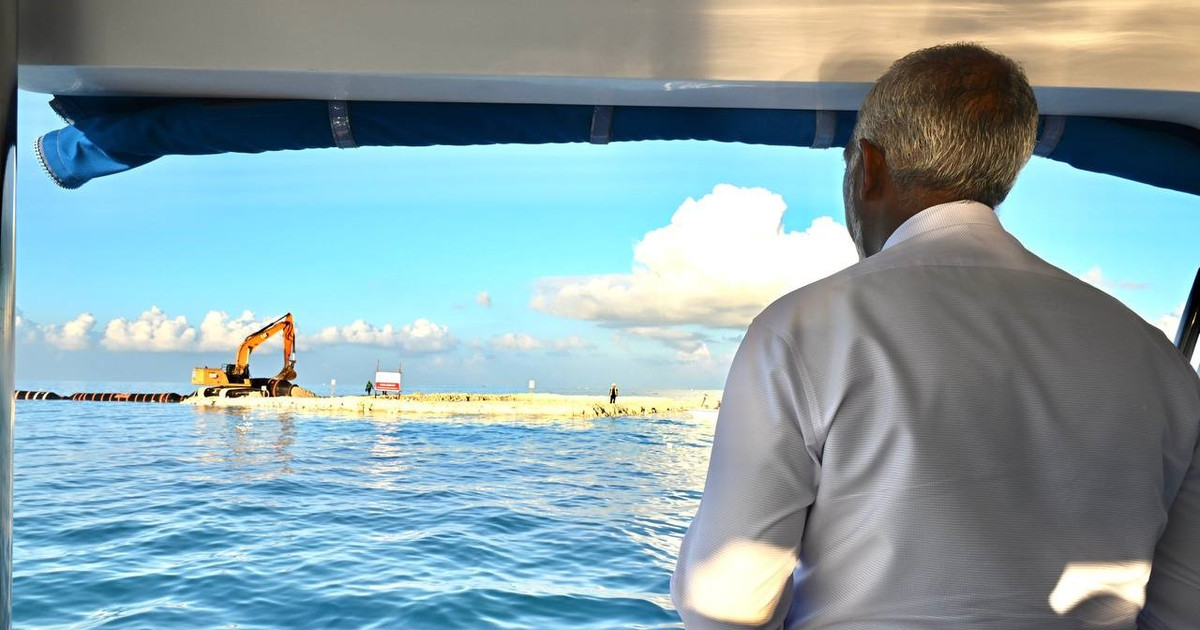
Gulhi waited decades for its own 10 hectares of new land. The lagoon next door, now home to a multibillion-dollar project, was once part of our island.
Many on Gulhi believe the island deserves a fair share of what Ras Malé brings, such as priority for local jobs and business opportunities, a voice in decisions that affect our waters, and real benefits for the community that gave up part of its lagoon.
What it could mean for Gulhi
Living next door to a project this size will change things, and not all of the changes are clear yet. Some of the possibilities:
- Better connections: more boat traffic and transport links in South Malé Atoll could mean more frequent and convenient travel to and from Gulhi.
- Two worlds side by side: visitors staying in Gulhi’s small guesthouses could be minutes from marina dining and shops, while Ras Malé’s residents and guests could cross to Gulhi for real island life, our beach and local culture.
- New work: a long construction period and new hotels could create jobs for island residents, boat operators and local businesses.
- Questions to watch: construction traffic, water quality and the effect on the marine life and fishing grounds that Gulhi depends on.
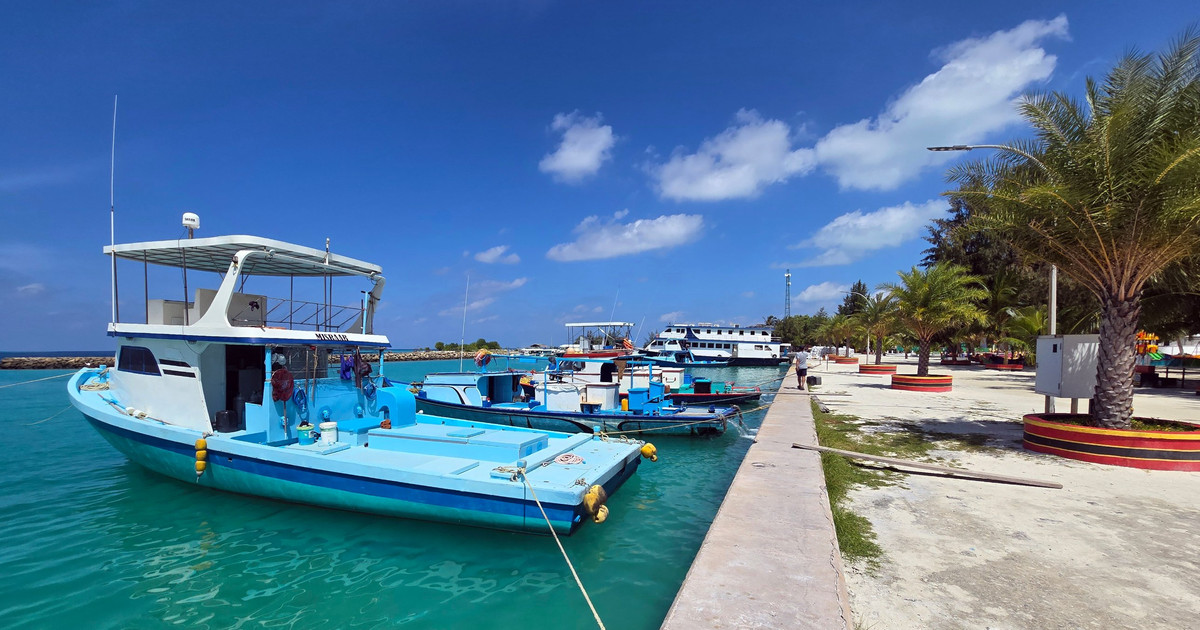
Gulhi stays Gulhi
Whatever rises across the water, Gulhi remains what it has always been: a small, friendly local island with a white-sand bikini beach, the I Love Gulhi swing, a working fishing harbour and families who have welcomed visitors for generations. We will keep you updated as Ras Malé takes shape.
Ras Malé and Gulhi: FAQs
What is Ras Malé?
Ras Malé is a government land reclamation project in the Fushidhiggaru lagoon in South Malé Atoll, about 17 minutes by speedboat from Malé and right next to Gulhi. It covers around 1,150 hectares and is planned to provide housing, jobs and a new waterfront city.
How close is Ras Malé to Gulhi?
Ras Malé is being built in the Fushidhiggaru lagoon, which lies right beside Gulhi in South Malé Atoll.
What is the Eagle Hills project in the Maldives?
In September 2026 the Maldives government and Abu Dhabi developer Eagle Hills agreed commercial terms for the Maldives Waterfront and Marina at Ras Malé, with hotels, branded residences, a marina, shops and restaurants. Its value has been reported at between US$12 billion and US$20 billion over several phases.
Was Fushidhiggaru lagoon part of Gulhi?
Yes. Part of the Fushidhiggaru lagoon was within Gulhi Island’s jurisdiction. It was removed from Gulhi’s jurisdiction and placed under central government control for the Ras Malé project. To the community’s knowledge, Gulhi received no compensation.
Is Gulhi still a quiet local island?
Yes. Ras Malé is a separate development in the neighbouring lagoon. Gulhi itself remains a small local island with a bikini beach, guesthouses and a fishing village.
Sources: Atoll Times, December 2023 · The National, September 2026 · Khaleej Times, September 2026 · PSM News: Fushidhiggaru Falhu removed from Gulhi jurisdiction
Experience the real Gulhi
A local island with a big neighbour, 25 minutes by speedboat from Malé.